
When Pricing Goes Right: How a Home Sells Fast in Chattanooga Real Estate

I keep coming back to pricing in this series because it's the one variable a seller actually controls. Condition, location, interest rates — none of that budges. Price does. And when it's set right, the results speak for themselves.
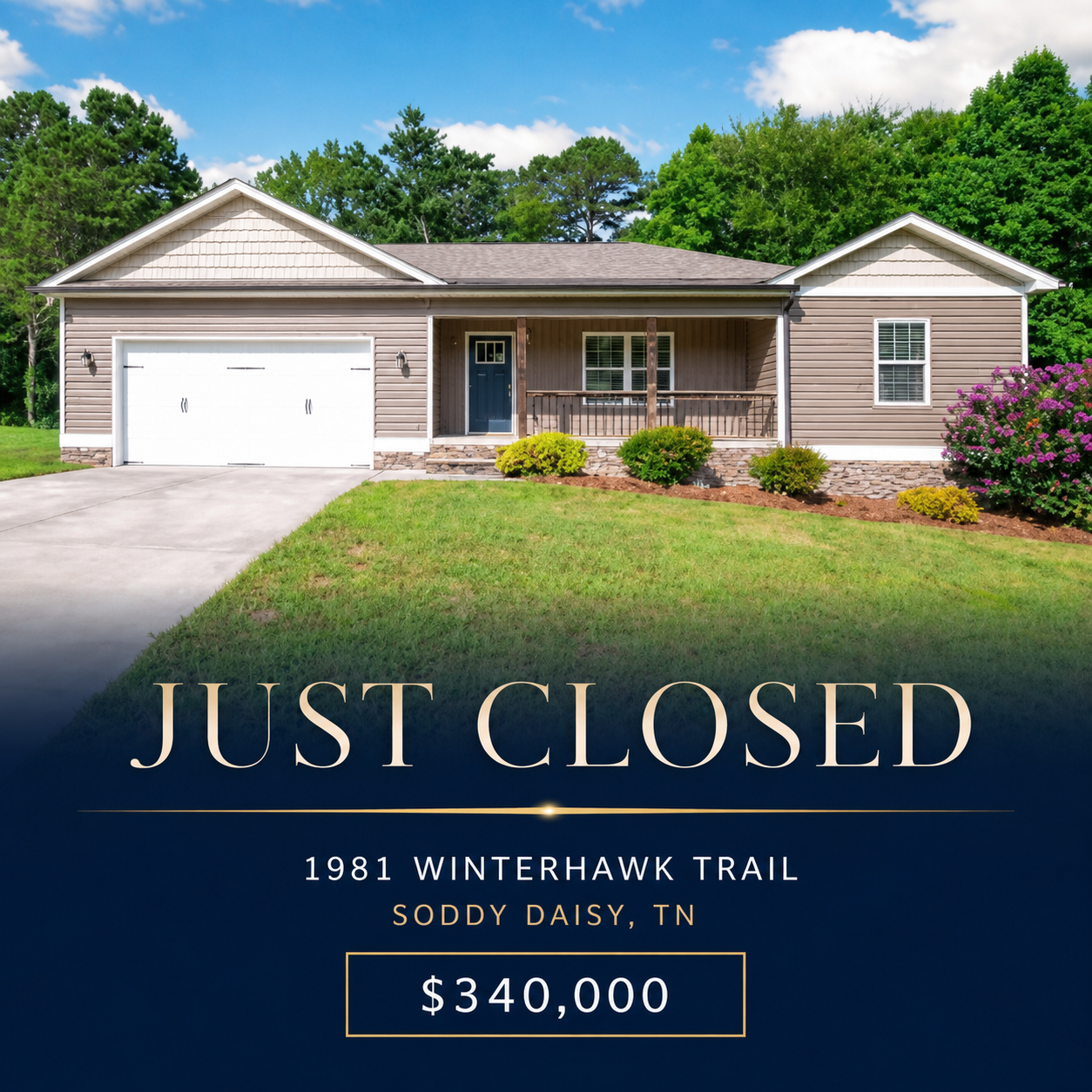
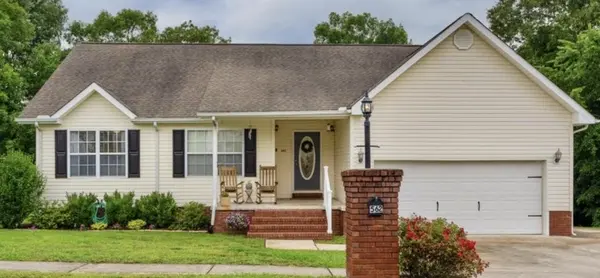
Case in point: 1981 Winterhawk Trail in Soddy Daisy. Priced honestly from the start, based on what the home actually was — not what a seller wished it was worth. It went under contract the very first weekend it was listed
Why "first weekend" isn't luck
A home going under contract that fast isn't chance. It's what happens when the price matches the market's actual read on the property, right out of the gate. Buyers who are already watching a neighborhood or a price point move immediately when something priced correctly shows up — there's no hesitation, no "let's see if it comes down," because the number already makes sense.
Overprice a home by even 3–5%, and you don't just lose a little interest. You lose the exact window when buyer attention is highest — the first couple weeks on market — and end up chasing the price down after the fact, from a weaker position, once buyers start wondering what's wrong with it.
What "priced right" actually means
It's not about pricing low to guarantee a fast sale. It's about pricing accurately — knowing the comps, understanding what condition and updates actually add or don't add to value, and being honest with a seller about what today's buyers will pay, not what the market would've paid in 2021.
That's the difference between a listing that sits for months and one that's under contract before the sign's even up. Winterhawk didn't sell fast because it got lucky. It sold fast because the number was right the first time.
What that conversation actually looked like
Before we listed, the sellers and I sat down and talked strategy. They'd already built their dream home and moved out — which meant they were carrying two mortgages, and nobody wants to do that longer than they have to. I knew going in that selling fast was the priority.
Even so, I don't tell sellers where to list. That's not how I work. I lay out the real comps, tell them exactly what I see, and then give them a range built around their actual goal:
- Want to sell it quickly? Here's where I'd price it.
- Want to test the market a little? I'd go about 10-15K higher.
- Don't mind fishing for a number and waiting to see what happens? I'd go up 25-30K.
Any of those is a legitimate choice. It's their house, their timeline, their risk tolerance — I just make sure they're choosing with real numbers in front of them, not a guess.
This particular conversation was easy, because these sellers were longtime friends who already trusted my judgment. It's not always that simple, and it doesn't need to be — but the process is the same either way: lay out the real range, let the seller pick based on their own motivation, and then let the market respond to whatever number they choose.
They opted for the low end of that range. The strategy worked exactly like it's supposed to: we went under contract with multiple offers — yes, even in this market — plus two backup offers waiting behind it.
The takeaway
If you're a seller wondering why your home isn't moving, it's very rarely bad luck or a "slow market." It's almost always the price. Fix that, and everything else tends to sort itself out.
Thinking about listing and want an honest read on price — not just a number that sounds nice? Let's talk.
Jennifer Dixon, MBA, LPT Realty
Categories
Recent Posts





"My job is to find and attract mastery-based agents to the office, protect the culture, and make sure everyone is happy! "