Does Chattanooga Real Estate Still Cash Flow in 2026? (Real Numbers)

If you've spent any time on BiggerPockets lately, you've probably seen the thread: "Chattanooga: too good to be true?"
Here's the real answer, with real numbers and no sales pitch. Across more than 100 analyzed long-term rentals in Chattanooga, the average cash-on-cash return is negative 9.2%.
If that number just made your stomach drop, good. It should. Most of what gets marketed to out-of-state investors about this market skips right past it. So let me show you why that average looks so bad, and where deals here still cash flow, because some of them really do.
Rather watch than read? I walked through all of this on video: Does Chattanooga Real Estate Still Cash Flow in 2026?
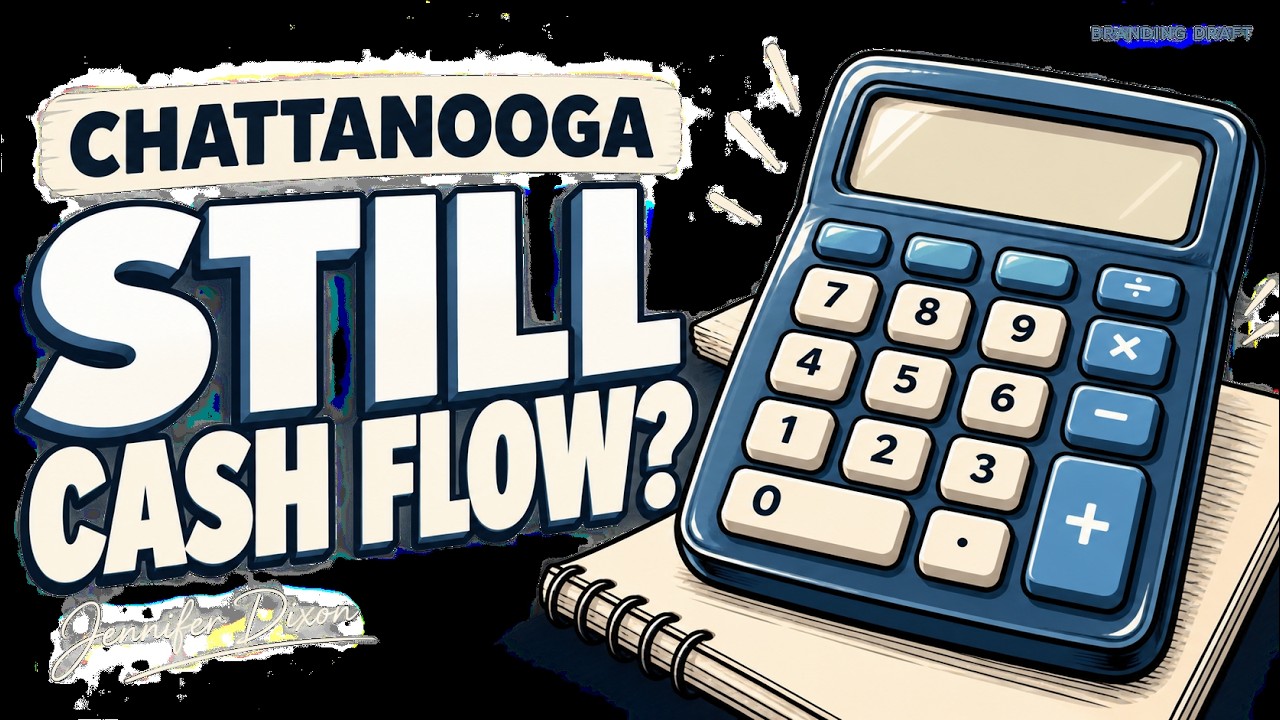
The numbers nobody puts in the brochure
I'd rather you hear this from me than get surprised by it after you close. Across those 100+ rentals:
- Average cash-on-cash return: negative 9.2%
- Median cap rate: about 4.8%
- Median monthly cash flow: negative $453
- Share that are cash-flow positive: only about 6%
For context, the average rent in that data is around $2,050 a month against an average purchase price of about $328,500. In plain English: if you've got a mortgage and a tenant at those numbers, you're paying for someone else to live in your house.
If you bought a rental here in the last couple of years at a typical retail price and it's not cash flowing, you're not doing it wrong and you're not bad at this. That's just the market average. Every investor buying at list price on the MLS right now is fighting the same math.
Why it landed here
Chattanooga has shifted into an appreciation market, not a cash flow market. Rents haven't kept pace with purchase prices. Buy a typical listing at a typical price today, and the rent you can realistically charge doesn't cover the mortgage, taxes, and insurance the way it would have five or six years ago.
My own investor clients usually want 8 to 12% cash-on-cash before they'll even look at a property seriously. A market average of negative 9.2% isn't even in the same neighborhood. So if you're chasing that return by scrolling Zillow or the MLS, you're going to keep striking out. Not because good deals don't exist, but because that's not where they are.
This is also why so many out-of-state investors who bought here sight unseen are frustrated right now. They bought the growth story without running the rent numbers. The appreciation is real, but it doesn't show up on a monthly statement the way negative cash flow does.
The question you should actually be asking
That average includes retail listings bought at full ask, with no work done and no strategy behind the purchase. That's not how the deals that cash flow get bought, and averaging the two together is why the headline number looks so bad.
So the real question isn't "does Chattanooga cash flow?" It's "does buying at list price cash flow?" And right now, the honest answer is almost never.
The better question, the one that gets you to a yes: does a deal you structure yourself cash flow? That's a completely different math problem, and it's the difference between the investor who's frustrated with this market and the one who's still closing deals in it.
3 ways it's actually working right now
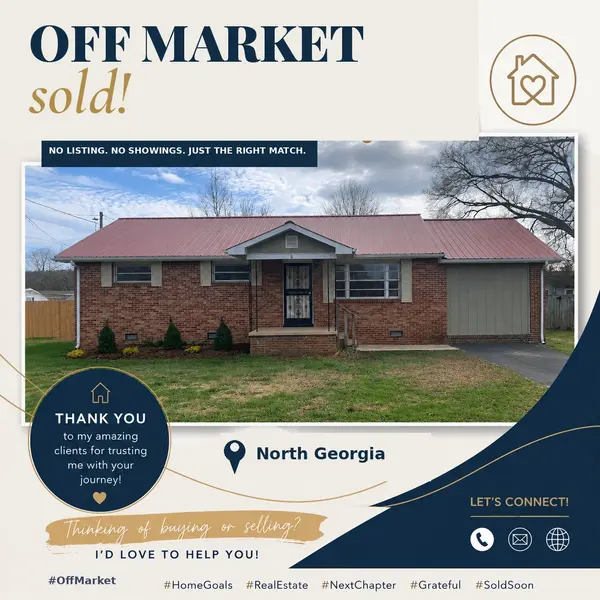
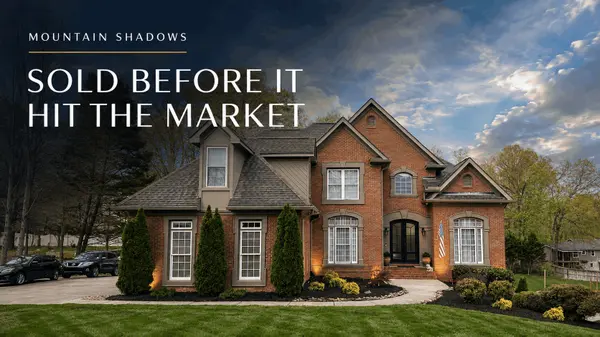
1. Off-market acquisitions. Buying below that average price changes the whole equation before you do anything else. Knock $40,000 to $50,000 off that $328,500 by buying off-market, and the same $2,050 in rent moves you from deep negative toward break-even, sometimes better. Your purchase price, not just your rent, drives the return. Off-market deals in Chattanooga, Ringgold, Rossville, and LaFayette are still out there. I've closed several this year.
2. Forced appreciation and value-add. Buy something distressed, put real work into it, and you create equity and rent upside that a retail buyer scrolling the MLS never gets access to.
3. BRRRR (buy, rehab, rent, refinance, repeat). Same idea as value-add, but structured to pull your money back out at the end, so your cash isn't stuck in one deal while you save up for the next.
None of this shows up in the market average, because that data measures what a typical buyer pays for a typical listing. It doesn't measure what happens when you go find a deal instead of scrolling for one.
What that looks like on one property
This is a directional example, not a promise about any specific house.
- Retail: $328,500 purchase, about $2,050 rent. Deep in negative territory. That's the negative 9.2% average.
- Off-market: same house at a $50,000 discount, so your basis is closer to $278,500. Your mortgage drops with it. The rent doesn't have to move at all for the numbers to look completely different.
- Add a light rehab: now you can often push rent past that $2,050 average too, stacked on top of the lower purchase price.
That's two levers. Most retail buyers pull one, if any. They pay market price and hope the rent works. The clients I see actually hitting 8 to 12% are pulling both: buying under market and improving the rent, on the same property.
Already own one that's running negative?
Don't panic and list it this week. In an appreciation market, selling into a temporary negative monthly number can cost you more in the long run than holding while the property appreciates.
Talk to your lender about your rate and refinance options, and ask your property manager whether your rent is actually priced to market. A lot of the negative numbers I see are as much a rent problem as a purchase price problem. And if you're sitting on a low rate and wondering if selling makes sense, I ran that math in Should I Sell My House If I Have a Low Rate?
And yes, the MLS can still work if you're patient
I've had investors this year find a listed property, make an offer, get told no, and instead of getting their feelings hurt and walking away, they waited. One of those deals took months of patience before the price finally matched the numbers, and it turned into one of their best acquisitions yet. I wrote that whole story up here: When Pricing Goes Wrong: The Seller's Cost, The Buyer's Opportunity.
The takeaway
The deals that cash flow in this market aren't sitting on the MLS waiting for you to scroll past them. If they were, they wouldn't still be there. I work with property managers and other relationships that get me into deals before they ever hit a listing site, and I keep a running list of what's available off-market. Fair warning: most of them need some renovation work. That's usually where the numbers come from.
If you're serious about buying here, the worst move is waiting until something you like shows up on Zillow. By then, everyone hunting off-market has already passed on it.
Want to see what's on my off-market list right now and whether any of it fits what you're looking for? Book a call with me.
Market figures are averages from an analysis of 100+ Chattanooga long-term rentals as of October 2026. The example above is illustrative only. This isn't financial or lending advice.
Jennifer Dixon, MBA, LPT Realty
Categories
Recent Posts







Buying, selling, or investing in Chattanooga or North Georgia? I’ll help you understand your options and plan your next move.